Supporting Kids Through Friendship Breakups and Drifting Apart
Supporting kids through friendship breakups is often more complex than parents expect. For adults, a friendship breakup may feel disappointing or frustrating, but for kids, it can feel overwhelming, confusing, and deeply personal. Childhood friendships are closely tied to identity, belonging, and emotional safety—especially during the school years, when peer relationships play a central role in daily life.
When a friendship break happens, children may not yet have the emotional language or coping skills to explain what they are feeling. Instead of saying “I’m grieving a friendship breakup,” a child may become withdrawn, irritable, anxious, or suddenly resistant to going to school. These reactions are not overreactions; they are signs that something meaningful has been lost.
Adding to the challenge is the fact that not all friendship losses look the same. Some friendship breakups are sudden and obvious—an argument, exclusion, or conflict that ends the relationship. Others happen slowly, through drifting apart. A close friend may start spending time with new friends, develop different interests, or simply become less available. This gradual distancing can be just as painful, if not more so, because there is often no clear explanation or closure.
Understanding how friendship breakups and drifting apart affect kids is the first step toward supporting them in a healthy, constructive way.
What Friendship Breakups Look Like In Childhood
A friendship breakup in childhood does not always involve a dramatic ending. In many cases, kids experience a friendship break quietly, without fully understanding why the relationship changed. One day, a best friend stops sitting next to them at school. Another day, they are no longer invited to play or included in group activities.
For kids, especially in early and middle school years, friendships are often intense and exclusive. A “best friend” may feel like the center of their social world. When that connection is disrupted, it can create a sense of instability that affects how children see themselves and their place among peers.
Common forms of friendship breakups in kids include:
- Sudden conflict or argument leading to separation
- Social exclusion or being replaced by new friends
- Gradual drifting apart due to changing interests
- Friendship changes linked to school transitions
Each of these experiences can trigger feelings of rejection, sadness, confusion, or even shame. Children may wonder what they did wrong or assume they are somehow unlikable. Without guidance, these thoughts can quietly shape their self-esteem.
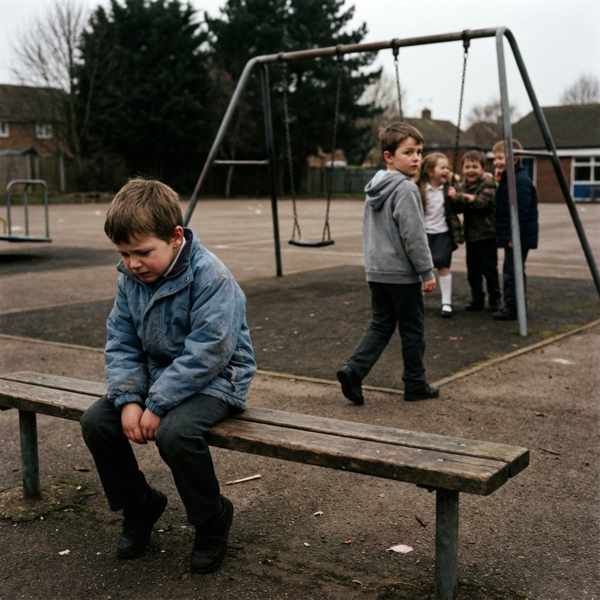
Drifting Apart: The Quiet Form Of Friendship Loss
Drifting apart is one of the most misunderstood friendship experiences for kids. Because there is no clear “break,” adults may underestimate its impact. However, drifting apart often leaves children with unanswered questions. They may feel abandoned without knowing why, which can be emotionally unsettling.
In school settings, drifting apart often happens when:
- One child forms new friendships
- Interests or maturity levels change
- Classroom dynamics shift
- Social groups reorganize
For kids, watching a close friend grow distant can feel like a slow loss. They may hold onto hope that things will go back to the way they were, making it harder to accept the change and move forward. This uncertainty can be especially painful, as children may blame themselves or feel stuck between loss and hope.
Recognizing drifting apart as a real form of friendship breakup helps parents respond with empathy rather than dismissal.
Why School Plays Such A Central Role
School is the primary social environment for most kids. Friendships are formed, tested, and sometimes broken within classrooms, playgrounds, and lunchrooms. Because kids spend so much of their time at school, friendship issues there can feel inescapable.
When a friendship breakup happens at school, children may:
- See the former friend daily
- Witness them bonding with new friends
- Feel exposed or embarrassed in social settings
This constant proximity can make healing more difficult. Unlike adults, kids often cannot choose distance from a painful social situation. That’s why supporting kids through friendship breakups requires an awareness of the school environment and its emotional pressure.
Introducing The Concept Of A Healthy Friendship
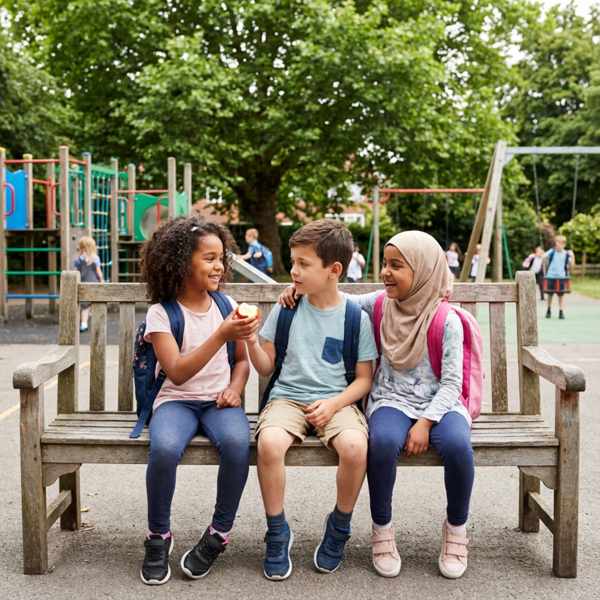
One of the most valuable things parents can do during a friendship breakup is gently introduce the idea of a healthy friendship. This does not mean criticizing the lost friendship or assigning blame. Instead, it means helping kids understand what supportive, respectful relationships look like.
A healthy friendship generally includes:
- Mutual kindness and respect
- Emotional safety
- Balanced effort
- Acceptance of differences
When kids experience a friendship breakup, it can become an opportunity—not immediately, but over time—to reflect on whether the relationship truly met these qualities. This reflection should be guided, not forced, and always framed with compassion.
Understanding healthy friendship lays the groundwork for future relationships and helps children approach new friends with greater confidence and awareness.
Why This Topic Matters Long-Term
Friendship breakups in childhood are not just temporary discomforts. They can influence how kids approach relationships, trust others, and see themselves socially. When children feel supported during these moments, they are more likely to develop resilience, emotional intelligence, and healthier expectations in friendships.
Supporting kids through friendship breakups is not about fixing the situation or replacing the lost friend immediately. It is about walking alongside children as they process loss, adjust to change, and gradually open themselves to new friends and new possibilities.
How Friendship Breakups Affect Kids Emotionally And Behaviorally
Friendship breakups do not always show up the way parents expect. Many kids struggle silently after a friendship breakup, especially when the friendship break happens at school and the former friend is still part of daily life. Understanding how children express emotional pain is critical for supporting kids through friendship breakups in a healthy and effective way.
Unlike adults, kids often lack the vocabulary to explain complex emotions such as grief, rejection, or social disappointment. Instead of clearly stating that they are hurt by a friendship breakup, children often communicate their distress through changes in mood, behavior, or school engagement.
Emotional Signs Kids May Be Struggling
After a friendship break, kids may experience a wide range of emotions that come and go unpredictably. These feelings are often intensified when the friendship was central to their sense of belonging.
Common emotional responses include:
- Sadness and grief: Children may mourn the loss of shared routines, inside jokes, and emotional closeness.
- Confusion: Kids may not understand why the friendship ended or why a friend drifted apart.
- Rejection and self-doubt: Many children assume the friendship breakup happened because something is “wrong” with them.
- Loneliness: Even when surrounded by classmates at school, kids can feel deeply alone.
- Anger or resentment: Some children express pain through irritability or anger toward peers or family members.
These emotions may surface suddenly or gradually, especially in cases where drifting apart happens over time rather than through a clear conflict.
Behavioral Changes Parents Often Notice
Emotional pain from friendship breakups often shows up in behavior before children talk about it. Parents may notice subtle or sudden changes that signal internal distress.
Common behavioral signs include:
- Resistance to school: Complaints about stomachaches, headaches, or frequent requests to stay home can be signs of social stress.
- Withdrawal: Kids may spend more time alone, lose interest in activities they once enjoyed, or avoid social situations.
- Changes in sleep or appetite: Emotional stress can disrupt routines.
- Increased irritability: Small frustrations may trigger big emotional reactions.
- Regression: Younger kids may display behaviors they had previously outgrown, such as clinginess or emotional outbursts.
These reactions are not misbehavior; they are signals that the child is struggling to process a friendship breakup or the pain of drifting apart.
When Drifting Apart Feels Worse Than A Clear Break
Drifting apart can be particularly difficult for kids because it often lacks explanation or closure. When a friend gradually becomes distant, children may feel stuck in uncertainty.
They may ask themselves:
- “Did I do something wrong?”
- “Why don’t they want to spend time with me anymore?”
- “Will they come back if I wait long enough?”
This ambiguity can make it harder for kids to move on or form new friends. Unlike a clear friendship breakup, drifting apart keeps emotional wounds open longer, especially in school environments where kids see the former friend interacting happily with others.
Fear Of New Friends After A Friendship Breakup
One of the most misunderstood responses to friendship breakups is a child’s resistance to forming new friends. Parents may encourage kids to “just make new friends,” but for children who have experienced a painful friendship break, this can feel risky.
Kids may avoid new friendships because:
- They fear being rejected again
- They worry about loyalty or replacement
- They believe friendships don’t last
- They feel emotionally exhausted
This hesitation is not stubbornness. It is a protective response. Children who have been hurt often need time to rebuild trust before opening themselves up again.
The Role Of School In Emotional Stress
School plays a major role in how kids experience friendship breakups. Social hierarchies, group dynamics, and constant proximity to peers can intensify emotional pain.
At school, kids may:
- Feel excluded during group work or recess
- Watch former friends bond with new friends
- Feel pressure to “act fine” socially
- Experience embarrassment or shame
For many kids, school becomes the stage where their social loss is visible and unavoidable. This can make emotional recovery slower, especially without adult support.
Why Kids Often Blame Themselves
Children are naturally egocentric in how they interpret events. After a friendship breakup, many kids assume the problem lies within themselves.
Common self-blaming thoughts include:
- “I’m boring.”
- “I’m not good enough.”
- “No one really wants to be my friend.”
If left unaddressed, these beliefs can shape how kids approach future relationships and even how they see themselves socially. Supporting kids through friendship breakups means helping them separate their self-worth from the outcome of one relationship.
When Friendship Breakups Impact Self-Identity
For kids, friendships are not just social connections—they are part of identity formation. Especially during elementary and middle school years, children define themselves through peer relationships.
A friendship breakup can shake this foundation, leading kids to question:
- Who they are socially
- Where they belong
- Whether they are valued by others
This identity disruption is one reason friendship breakups can feel overwhelming, even when adults perceive the situation as “normal.”
Why Early Support Matters
How kids experience and process friendship breakups can influence their long-term social confidence. Children who feel dismissed, rushed, or misunderstood may internalize emotional pain. In contrast, kids who feel supported are more likely to develop resilience and .
Supporting kids through friendship breakups at this stage is not about solving the problem quickly. It is about recognizing emotional signals, validating experiences, and creating a sense of safety that allows healing to begin.
How Parents Can Support Kids Through Friendship Breakups
When a friendship breakup happens, many parents feel unsure about what to say or do. The instinct to fix the situation, offer advice quickly, or encourage kids to move on is understandable—but often unhelpful. Supporting kids through friendship breakups requires patience, emotional awareness, and a willingness to slow down.
This stage is less about solutions and more about connection. Children need to feel understood before they can feel resilient.
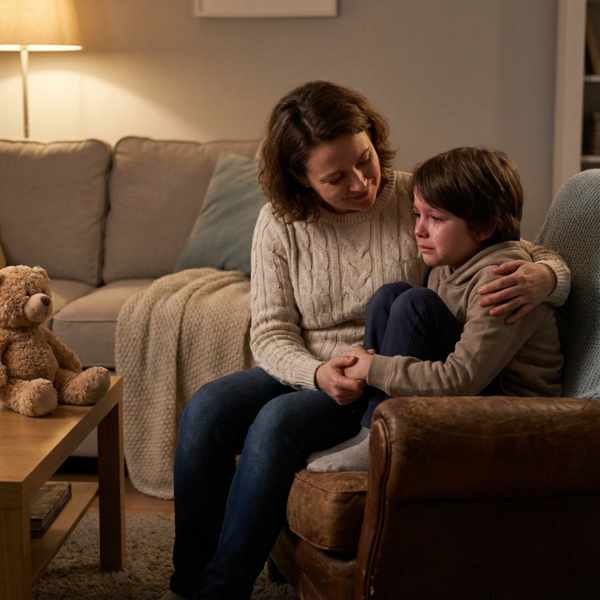
Start By Listening, Not Fixing
One of the most powerful ways to support kids through friendship breakups is simply to listen. This sounds obvious, but it can be surprisingly difficult. Parents often jump in with reassurance or problem-solving before kids feel truly heard.
Instead of asking many questions or offering advice right away:
- Give your child space to talk at their own pace
- Accept pauses and silence
- Reflect back what you hear
Helpful responses include:
- “That sounds really painful.”
- “It makes sense that you feel hurt.”
- “I’m glad you told me.”
These statements validate emotions without minimizing the experience. Validation does not mean agreement; it means acknowledging that the child’s feelings are real.
What To Avoid Saying (Even With Good Intentions)
Certain phrases, though well-meaning, can shut down communication or increase emotional distance.
Try to avoid:
- “You’ll make new friends.”
- “It wasn’t a real friendship anyway.”
- “This happens to everyone.”
- “Just ignore them.”
These responses can make kids feel dismissed or misunderstood. For a child going through a friendship breakup, the loss feels personal and significant. Minimizing it can increase isolation rather than reduce it.
Helping Kids Make Sense Of The Friendship Break
Once emotions are acknowledged, parents can gently help kids reflect on what happened—without assigning blame.
Questions that encourage insight:
- “What do you think changed in the friendship?”
- “How did you feel when that happened?”
- “What did you need from your friend at that time?”
This reflection helps kids understand that friendships can change for many reasons, especially during school years when social dynamics are constantly shifting.
Teaching The Foundations Of A Healthy Friendship
A friendship breakup can become a powerful learning moment when handled carefully. This is an opportunity to talk about what makes a healthy friendship, not to criticize the past one, but to prepare for future relationships.
A healthy friendship typically includes:
- Mutual respect
- Emotional safety
- Shared effort
- Space for individuality
Helping kids recognize these qualities allows them to approach new friends with clearer expectations and stronger boundaries.
Supporting The Process Of Making New Friends
After a friendship break, parents often worry when kids seem hesitant to form new friendships. This hesitation is normal. Emotional trust takes time to rebuild.
Rather than pushing kids toward new friends:
- Encourage low-pressure social opportunities
- Focus on shared activities rather than forced connections
- Allow friendships to develop gradually
Statements like:
- “You don’t have to rush.”
- “It’s okay to take your time.”
help kids feel safe enough to try again when they’re ready.
The Role Of Parents During School-Based Friendship Issues
Because many friendship breakups happen at school, parents may feel tempted to intervene directly. While there are situations where adult involvement is necessary, over-involvement can sometimes create more stress.
Before contacting the school, consider:
- Is the situation ongoing or escalating?
- Is there bullying, exclusion, or emotional harm?
- Has your child asked for help?
When involvement is appropriate, collaboration—not confrontation—is key. Teachers and school counselors can provide insight into peer dynamics and support healthy social development.
Helping Kids Rebuild Confidence After A Friendship Breakup
Friendship breakups can damage a child’s confidence, especially if they internalize rejection. Parents can help counter this by reinforcing a sense of self-worth separate from social outcomes.
Ways to support confidence:
- Acknowledge strengths unrelated to friendships
- Encourage activities that build competence
- Highlight moments of kindness or resilience
This reinforces the idea that friendships are important—but they do not define a child’s value.
When Kids Compare Themselves To New Friends
Seeing a former friend bond with new friends can be painful, especially in school environments where comparisons are unavoidable. Kids may feel replaced or forgotten.
Parents can help by:
- Naming the feeling (“That looks really hard.”)
- Normalizing comparison without endorsing it
- Redirecting focus toward personal growth
The goal is not to eliminate hurt, but to help kids move through it without self-blame.
Staying Emotionally Available Over Time
Supporting kids through friendship breakups is not a one-time conversation. Emotions may resurface weeks or even months later, especially when social situations trigger memories.
Let kids know:
- They can come back to the conversation anytime
- Feelings don’t have an expiration date
- You are available without judgment
Consistency builds emotional safety, which is essential for long-term resilience.
When To Seek Additional Support
Sometimes, the emotional impact of a friendship breakup is intense or prolonged. If a child shows ongoing signs of distress—such as persistent school avoidance, anxiety, or withdrawal—additional support may be helpful.
School counselors or child therapists can provide tools that support emotional processing and social confidence. Seeking help is not a failure; it is a proactive step toward well-being.
Helping Kids Grow Stronger After Friendship Breakups
While friendship breakups can be painful, they are not meaningless experiences. When kids are supported thoughtfully, a friendship breakup or drifting apart can become a turning point—one that strengthens emotional resilience, deepens self-awareness, and shapes healthier relationships in the future.
This final stage is not about “moving on quickly,” but about helping children integrate what they’ve experienced in a way that supports long-term growth.

What Kids Can Learn From Friendship Breakups
Although no child chooses a friendship breakup, these experiences often teach lessons that cannot be learned in easier moments. Over time, kids may begin to understand that friendships evolve, people change, and not every connection is meant to last forever.
With guidance, children can learn that:
- Loss does not mean failure
- Change is part of relationships
- Discomfort can lead to growth
These realizations help kids approach future friendships with more realism and emotional balance.
Building Emotional Resilience Through Social Loss
Resilience does not mean avoiding pain. It means learning how to experience difficulty without losing a sense of self. Supporting kids through friendship breakups plays a crucial role in developing this resilience.
Children who feel emotionally supported during a friendship break are more likely to:
- Trust their emotions
- Ask for help when needed
- Recover from social setbacks
- Try again after disappointment
These skills matter far beyond childhood. They form the foundation for healthy relationships in adolescence and adulthood.
Helping Kids Redefine Belonging
After a friendship breakup, kids may feel unsure about where they belong—especially in school settings where social groups feel visible and fixed. Parents can help children redefine belonging as something flexible rather than dependent on one person or group.
Belonging can exist in:
- Multiple friendships
- Shared interests
- Family relationships
- Personal strengths
This broader view helps kids feel less vulnerable when one relationship changes.
Supporting The Development Of Healthy Friendship Choices
As kids grow, they gain more agency in choosing friends. Experiences with friendship breakups can help children become more thoughtful about the relationships they invest in.
Parents can gently support this process by encouraging kids to notice:
- How they feel around certain peers
- Whether effort is mutual
- If the friendship feels safe and respectful
These reflections help kids recognize the difference between simply having friends and maintaining a healthy friendship.
Encouraging Openness To New Friends—Without Pressure
Eventually, most kids will feel ready to connect with new friends. This readiness cannot be rushed. When parents avoid pressuring children to replace a lost friendship, kids are more likely to approach new relationships with openness rather than fear.
New friends do not erase old ones. They expand a child’s social world. Helping kids understand this makes it easier for them to form connections without guilt or comparison.
The Long-Term Impact Of Supportive Parenting
How parents respond to friendship breakups shapes how kids learn to handle emotional pain. Children who feel supported—rather than dismissed—are more likely to:
- Trust their emotions
- Communicate openly
- Navigate social challenges with confidence
Supporting kids through friendship breakups is not about controlling outcomes. It is about offering stability while children find their own way forward.
When Friendship Breakups Become Part Of A Larger Pattern
Occasionally, repeated friendship breakups or persistent social difficulties may signal deeper struggles. If a child consistently feels excluded, anxious at school, or unable to form connections, additional support may be helpful.
Working with school counselors or mental health professionals can provide insight into social patterns and emotional needs. Seeking help is not a sign that something is “wrong” with the child—it is an act of care.
A Reassuring Message For Parents
Watching your child experience a friendship breakup can be heartbreaking. The instinct to protect them from pain is natural. But growth often happens not because pain is avoided, but because it is held with compassion.
By staying present, listening deeply, and modeling emotional strength, parents help kids learn that they can survive loss, adapt to change, and build meaningful connections again.
Conclusion: Walking With Kids Through Friendship Changes
Supporting kids through friendship breakups and drifting apart is not a single conversation or a quick fix. It is an ongoing process rooted in empathy, patience, and trust.
Friendship breakups are part of growing up. When kids are supported through these moments—at home, at school, and within their emotional world—they gain tools that last far beyond childhood.
With time, understanding, and guidance, kids can learn that even when friendships end or drift apart, they are still worthy, capable, and deeply connected to the people who care for them most.