Mindfulness Class: The Complete Guide to MBSR, Meditation, and Stress Reduction
In recent years, the demand for a high-quality mindfulness class has grown rapidly as more people seek practical tools for stress reduction, emotional balance, and overall health. Whether you’re exploring mindfulness meditation, looking for a structured mindfulness course, or considering an online course, understanding how mindfulness works—and what makes the best programs effective—is essential.
One of the most respected approaches in the world is Mindfulness-Based Stress Reduction (MBSR), a scientifically supported 8-week program created by Jon Kabat-Zinn, the founder of the world’s first medical mindfulness center. Today, MBSR and related mindfulness-based programs are offered globally through universities, hospitals, therapists, and private training institutions.
This comprehensive guide will help you understand exactly what a mindfulness class includes, how mindfulness courses work, what benefits to expect, and answers to the most frequently asked questions people have before joining.
What Is a Mindfulness Class?

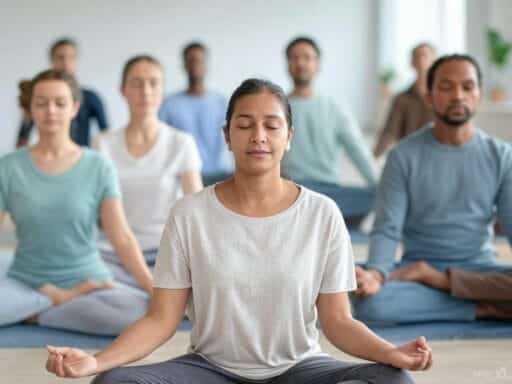
A mindfulness class is a structured course designed to teach participants how to build greater awareness, emotional balance, and resilience through mindfulness meditation and practical stress management techniques.
A typical class will include:
- Guided meditation
- Breath awareness
- Gentle movement or mindfulness-based stretching
- Group discussions
- Real-life applications
- Weekly practice assignments
Most mindfulness classes are rooted in mindfulness-based stress reduction, a based stress reduction approach proven to help people reduce anxiety, manage chronic pain, improve health, and develop stronger emotional regulation.
Mindfulness-Based Stress Reduction (MBSR): The Gold Standard
The origin of MBSR
Jon Kabat-Zinn developed the MBSR program in 1979 at the University of Massachusetts Medical School. His aim was to help patients use mindfulness and meditation to cope with suffering, pain, and overwhelming stress.
What makes MBSR so effective?
The MBSR program is built on decades of scientific research and includes:
- 8-week structured training
- Weekly live sessions
- A full-day retreat
- Body scan meditation
- Breath awareness
- Mindful movement
- Emotional learning
- Daily home practice
Studies show MBSR helps with:
- Stress reduction
- Anxiety and depression
- Chronic pain management
- Emotional development
- Improved attention
- Greater personal resilience
This is one of the most respected mindfulness-based programs worldwide.
Types of Mindfulness Classes
1. In-Person Mindfulness Classes
These are often offered at a local mindfulness center, yoga studio, university, clinic, or therapy office. Participants get live guidance, group practice, and in-person support.
2. Online Mindfulness Course
Modern online courses make mindfulness accessible to anyone from anywhere. These may include:
- Recorded lessons
- Live Zoom sessions
- Weekly assignments
- Q&A with instructors
- Guided meditations
- Lifetime access to materials
An online MBSR course can be just as effective as an in-person one when taught by a qualified instructor.
3. Corporate or Workplace Training
Companies now offer mindfulness courses to improve employee well-being, reduce burnout, and support emotional health.
4. Short Workshops and Mini-Courses
Great for beginners who want a gentle introduction to mindfulness meditation without committing to a full 8-week program.
What You Learn in a Mindfulness Class
Awareness Training
The foundation of mindfulness is increasing your moment-to-moment awareness—of breath, sensations, emotions, and thought patterns.
Meditation Techniques
You’ll learn several forms of mindfulness meditation, such as:
- Breath meditation
- Sitting meditation
- Body scan
- Mindful walking
- Loving-kindness meditation
Stress and Emotion Regulation
Mindfulness helps improve your relationship with stress, anxiety, and difficult emotions by developing non-reactivity and acceptance.
Mindful Movement
Gentle stretching and yoga-like movements help connect body and mind.
Home Practice
Most courses include daily practice assignments to support long-term development.
Group Learning
Sharing experiences helps answer common questions, deepen understanding, and normalize challenges.
Benefits of Taking a Mindfulness Course
Whether you choose a live class or an online course, the benefits are well-documented:
✔ Stress Reduction
Core to MBSR and all mindfulness-based programs.
✔ Emotional Balance
Better response to frustration, anger, sadness, and anxiety.
✔ Improved Health
Mindfulness is associated with better sleep, lower blood pressure, and improved immune function.
✔ Better Focus & Productivity
Mindfulness improves cognitive learning, attention, and decision-making.
✔ Personal Development
Understanding yourself deeply helps you grow emotionally and mentally.
✔ Long-Term Skills
Mindfulness becomes a lifelong tool for resilience.
Is an Online Mindfulness Course Effective?
Absolutely. Many people now prefer an online format because it offers:
- Flexibility
- Privacy
- Affordable pricing
- Rewatchable lessons
- Global access to expert teachers
A well-structured online course can include guided audio, video lessons, and weekly live sessions.
Who Should Join a Mindfulness Class?
Mindfulness benefits everyone—students, professionals, parents, athletes, and anyone wanting better health or emotional clarity.
It’s especially helpful if you’re dealing with:
- Chronic stress
- Anxiety
- Burnout
- Emotional overwhelm
- Chronic pain
- Lack of focus
- Difficulty managing life changes
The gentle, compassionate nature of mindfulness makes it accessible to all.
Frequently Asked Questions (FAQ)
Here are the most frequently asked questions people want to understand before registering for their first mindfulness course:
1. Do I need meditation experience?
No. Mindfulness welcomes beginners.
2. How long is an MBSR program?
Typically 8 weeks, with weekly classes plus daily home practice.
3. Is MBSR different from regular meditation?
Yes. MBSR is a structured, science-backed mindfulness-based system.
4. Does mindfulness help with anxiety and stress?
Yes. Numerous studies confirm its impact on stress reduction, emotional regulation, and overall health.
5. What if I can’t sit still?
You’ll learn practices that include movement, breathing, and body awareness.
6. Can I join an online mindfulness course?
Yes—many people prefer online formats.
7. Do I need special equipment?
Just a quiet space and a willingness to learn.
These asked questions appear in nearly every class, and instructors welcome all curiosity.
How to Choose the Right Mindfulness Course
Here are key factors to consider:
Instructor Background
Choose teachers trained in MBSR, mindfulness-based stress reduction, or related fields—preferably trained through a university mindfulness center.
Course Format
Decide whether you prefer live sessions or self-paced online materials.
Structure
A strong program includes:
- Weekly sessions
- Daily practice
- Reflective learning
- Clear materials
- Qualified teachers
Style & Community
Some courses emphasize science, others focus on spirituality. Both are valid—choose what aligns with your goals.
Why Mindfulness Matters Today
People experience more stress than ever due to work pressure, technology, life expectations, and emotional overload. Mindfulness offers grounded, research-backed tools that are easy to integrate into daily life.
It supports:
- Mental health
- Physical well-being
- Emotional stability
- Professional performance
- Personal growth
- Resilience
Whether you’re dealing with life transitions, burnout, overwhelm, or simply seeking peace, mindfulness offers a sustainable path forward.
Conclusion: Should You Join a Mindfulness Class?
Absolutely. A high-quality mindfulness class—especially one rooted in mindfulness-based stress reduction (MBSR)—can improve your life in deeply meaningful ways. With options ranging from local mindfulness center programs to flexible online courses, it’s easier than ever to begin.
This is more than a course—it’s an opportunity for real personal development, improved health, and emotional transformation.
Whether you’re here because of curiosity, overwhelm, or a desire for deeper self-understanding, mindfulness gives you the tools to breathe, focus, heal, and grow.